apharwat
Organic fibre composites to replace high-performance fibreglass
00

problem
Fibreglass as a material has become ubiqutous across many fields, but presents a problem to people who are part of the manufacturing, being exposed to bio-accumulative fibres of glass that get stuck in skin and lungs. The material also presents problems at the end of life of products, with only the options of shredding and landfilling or burning in the current solution set.
solution
Exploring various fabric based composites as functional replacements across different fields of use, from cladding to structural. Natural fibres have shown similar or equal properties across strength and shaping properties in non-structural and structural applications.
Apharwat began when I saw a friend break their snowboard and we looked at the options that were available to address the situation. I recognised that there was no real solution, upcycling is an option but that only pushes the disposal problem down the road.
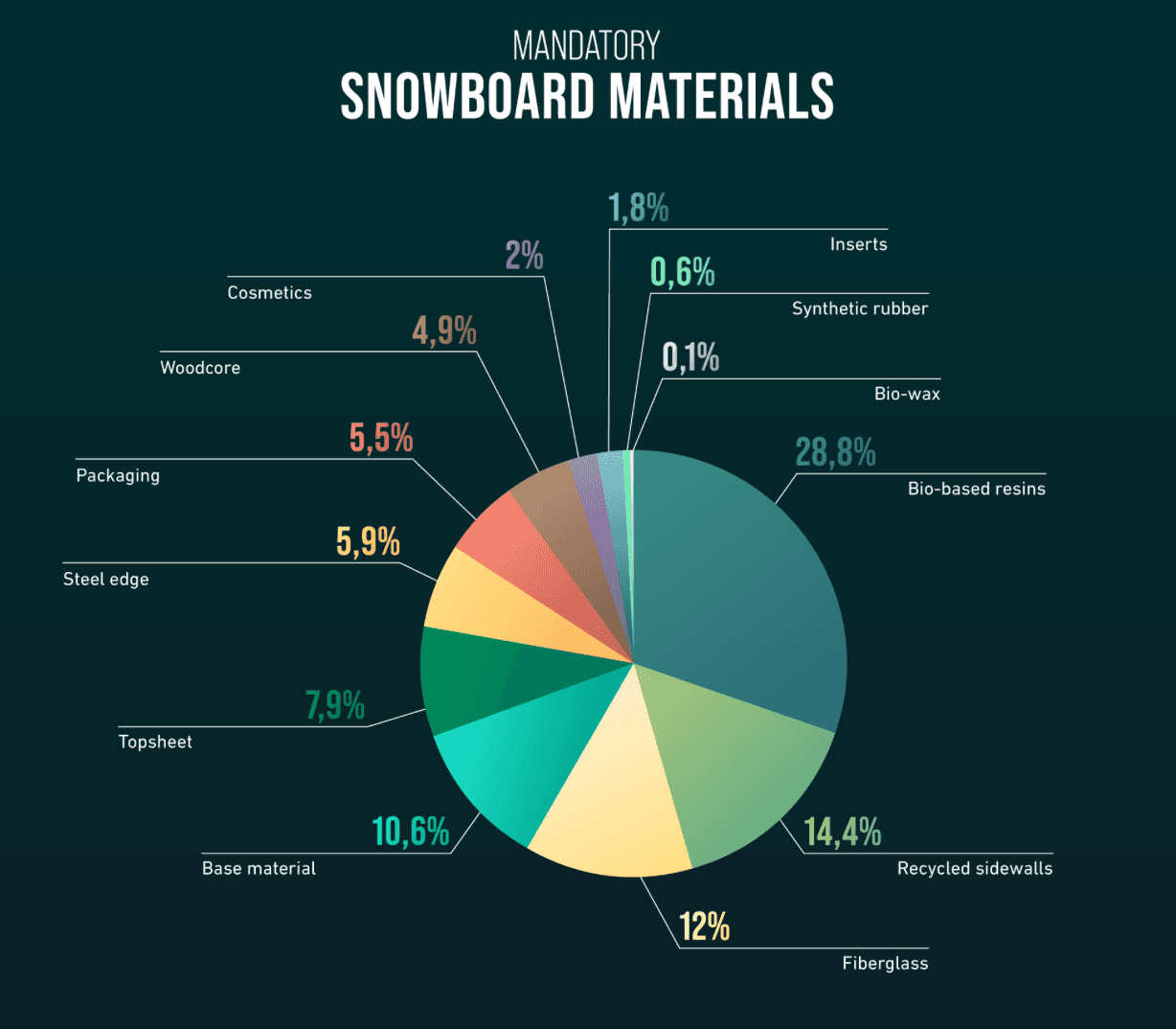
Fibreglass makes up a high volume and highly functional part of snowboards and skis, yet it is the one of the materials that lacks an ecologically sustainable end of life solution. It still has no replacement that considers a safer, sustainable, yet functional material.
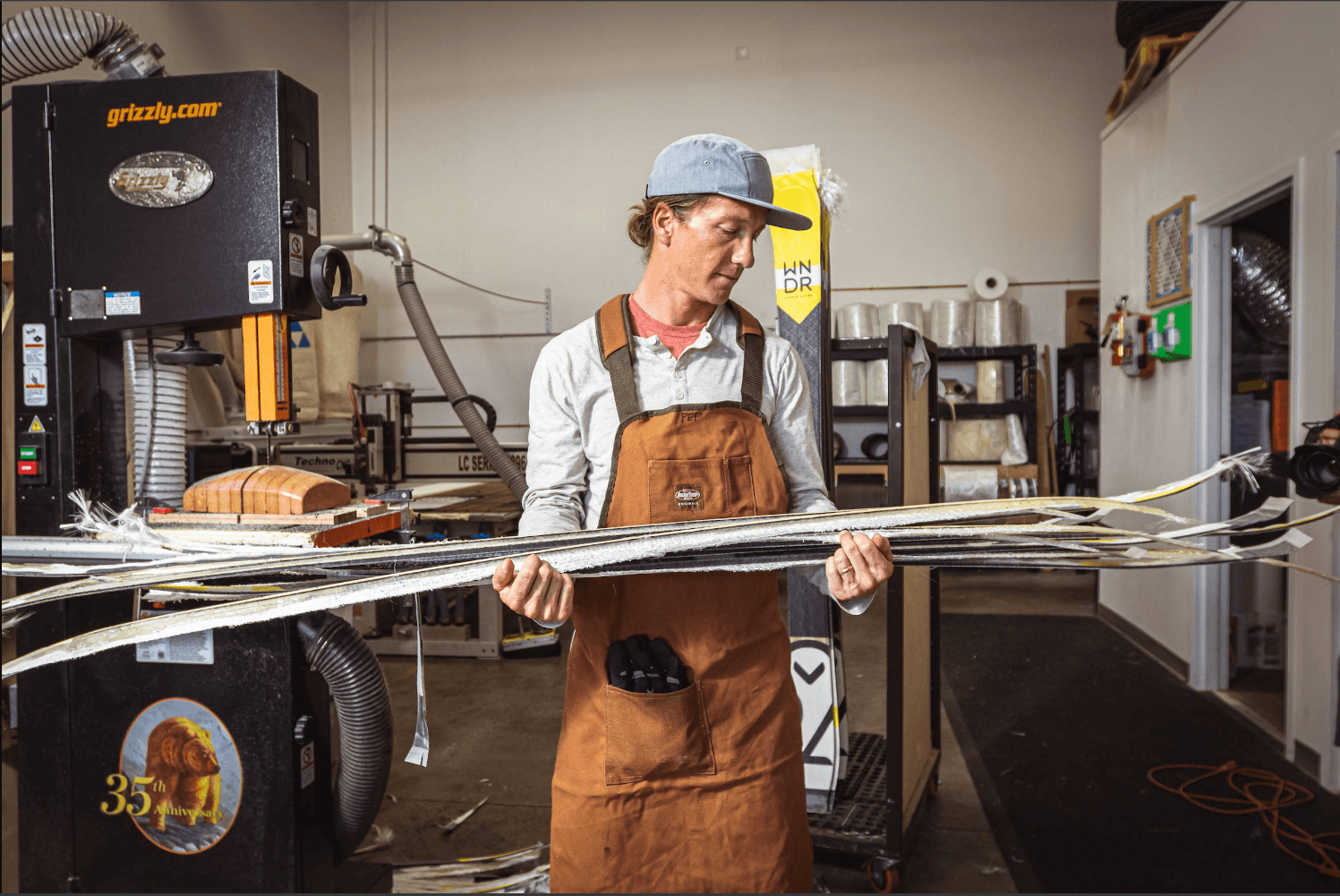
The current solutions revolve around shredding and incinerating the product, which has a massive carbon impact, even when "balanced" by the energy production capability during incineration.
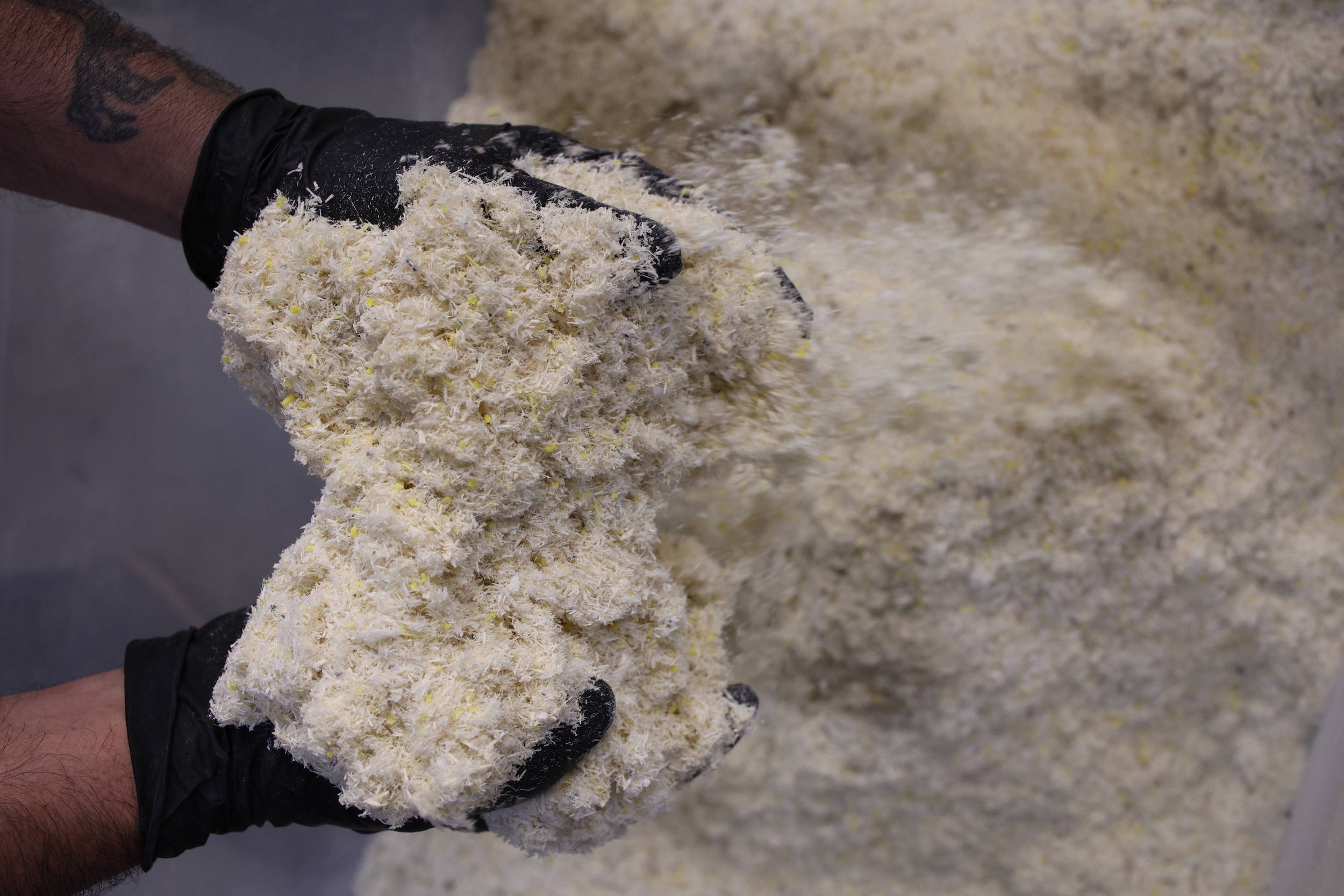
Multiple natural fibres provide a high-performance alternative to fibreglass, while preserving a similar level of strength, while being consistently more ecologically sustainable. This is a very important factor, especially in resin sandwich constructions, like snowboards and skis.
I created multiple layup samples to test for strength and flexibility to compare with more traditional fibreglass layups. The samples uses various natural fibres, all in a bio-based resin matrix, to replicate actual factory production scenarios.
The layups provided me valuable insights into how the weave direction, layering, and selective reinforcement affect the samples and their strength and flexibility.
I am now in the process of replicating this in scaled experiments with the ingredients of the materials sandwich that is required to build snowboards and skis.
year
2024-
timeframe
ongoing
category
Materials Design
01

02

03

04


