Texting, Airplanes and Touchscreens

Bring back buttons: Exploring why having buttons in cars is better than touchscreens, from an industrial and aviation designer's perspective
What I want you to imagine as the reader, is to think back to your younger days of using cellphones with a physical number pad. The way we texted each other with a fluency of the inputs. So much so, that we could do it with our hands under the desk, away from everyone else’s eyes, not even looking at the buttons. We knew all the inputs by touch, keeping track of where our fingers were based on the shape of the buttons and what alphabets we were typing by keeping count of the button presses.
It appears as though the world is becoming flat, with user input surfaces like phones losing tactile feedback with touchscreen inputs, and in many common cases, increasing distractions and cognitive loads.
Touch screens do have their benefits though, making it intuitive for people to click on what they see and where they want to navigate to and sometimes making it easy to navigate deep menus. Where they lose out, however, is in moments where there is higher cognitive load. What I mean by this is when a person may need to do multiple things at a time, while handling tech. A low stakes situation of this could be trying to text while trying to shop for groceries or even trying to answer a phone call while carrying multiple bags in your hands. A high stakes situation, however, could be something as vital as flying an airplane, or more commonly, driving.
Developments
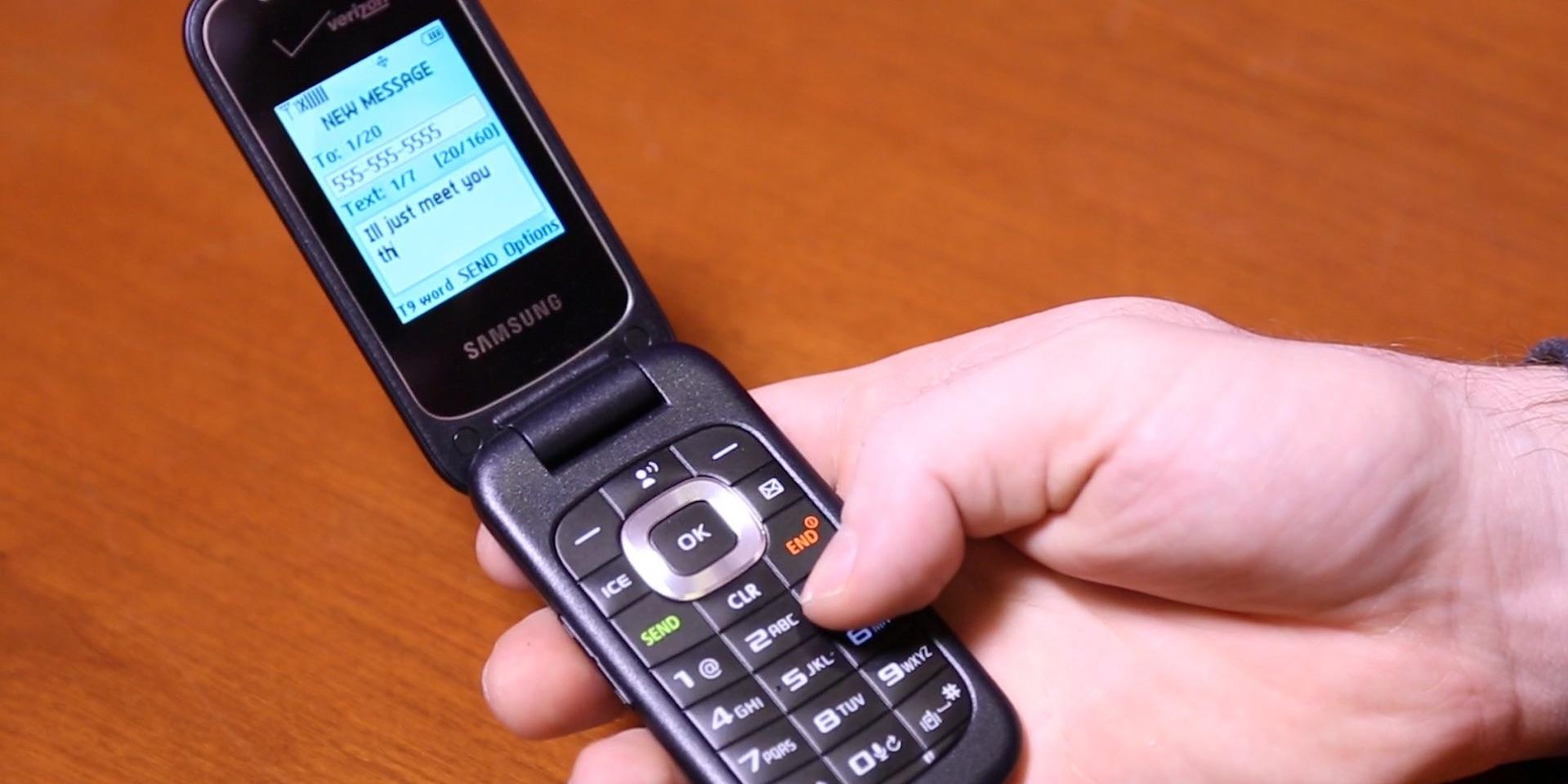
As the tech world developed over the decades, we saw legends like the Nokia 3310 make way for flip phones, which turned into sliding full sized keyboards, till eventually becoming entirely touchscreen phones. This commercial tech was a reflection of how these interactions were changing in the industrial world too.
Modernised consumer tech was investing heavily in touchscreens, fully transitioning away from buttons, leaving only the ‘essentials’ on their devices.
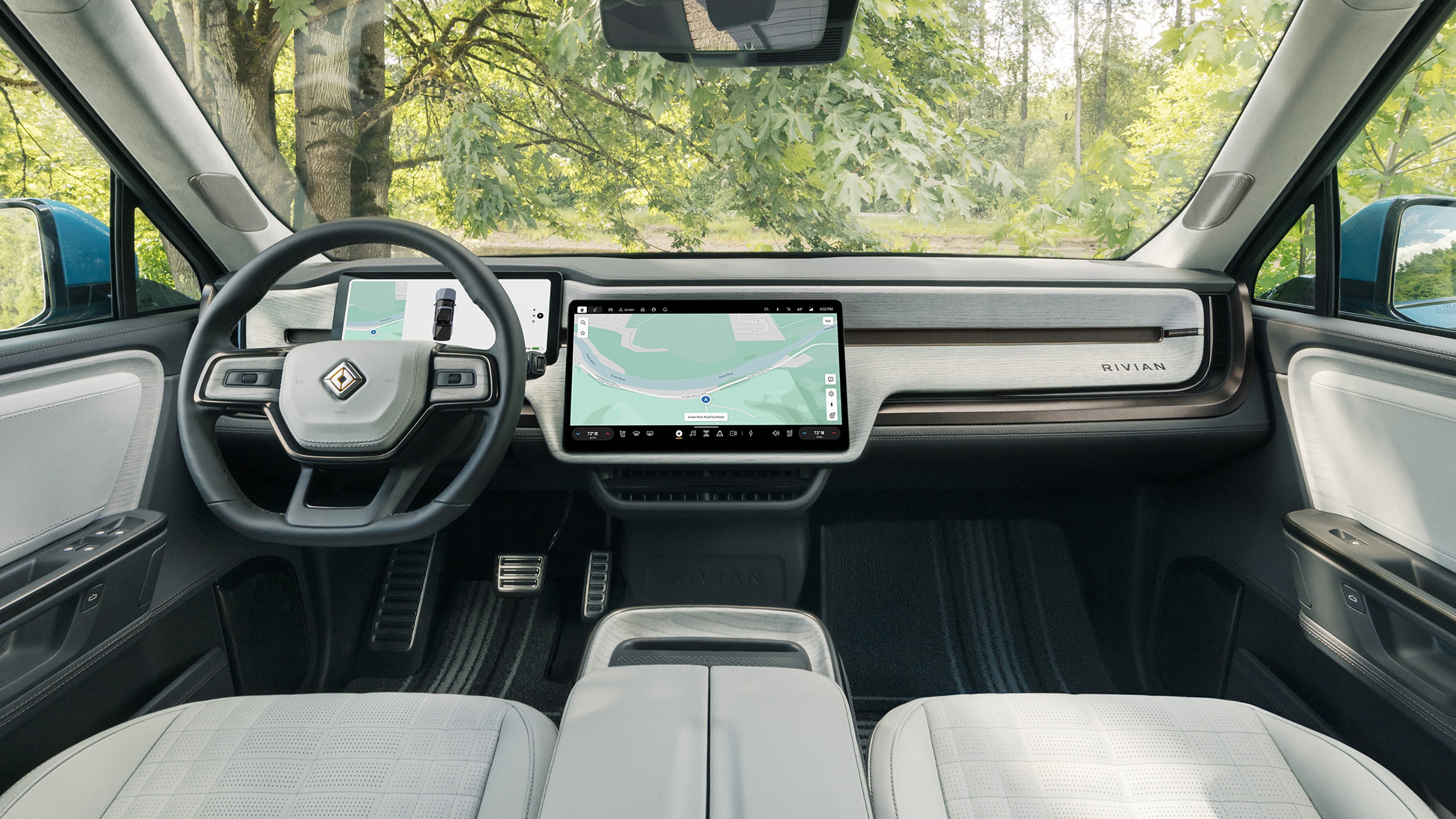
At the same time, we started seeing this transition happen with transportation too. Car manufacturers also introduced touchscreens into their cabins, as a way to streamline their systems. The vehicle interiors started including touchscreen infotainment systems, with a few buttons for some of the inputs for the drivers. If we take a look at them today, nearly every input in a modern car is through a touch screen, demanding direct attention from the user, which is extremely distracting when the driver is in the vehicle alone.
In vehicles across the world, the center consoles moved away from rotating inputs for fans and air-conditioning to touch screen inputs for interior climate control. The Cassette player made way for CD players, which in turn transformed into streaming services and integrated apps.
That said, massive screens can be great for navigation, allowing for a large view of a map, but when that gets treated as the only way of commands and user input, we can easily run into a potentially dangerous scenario.
Aviation Parallels
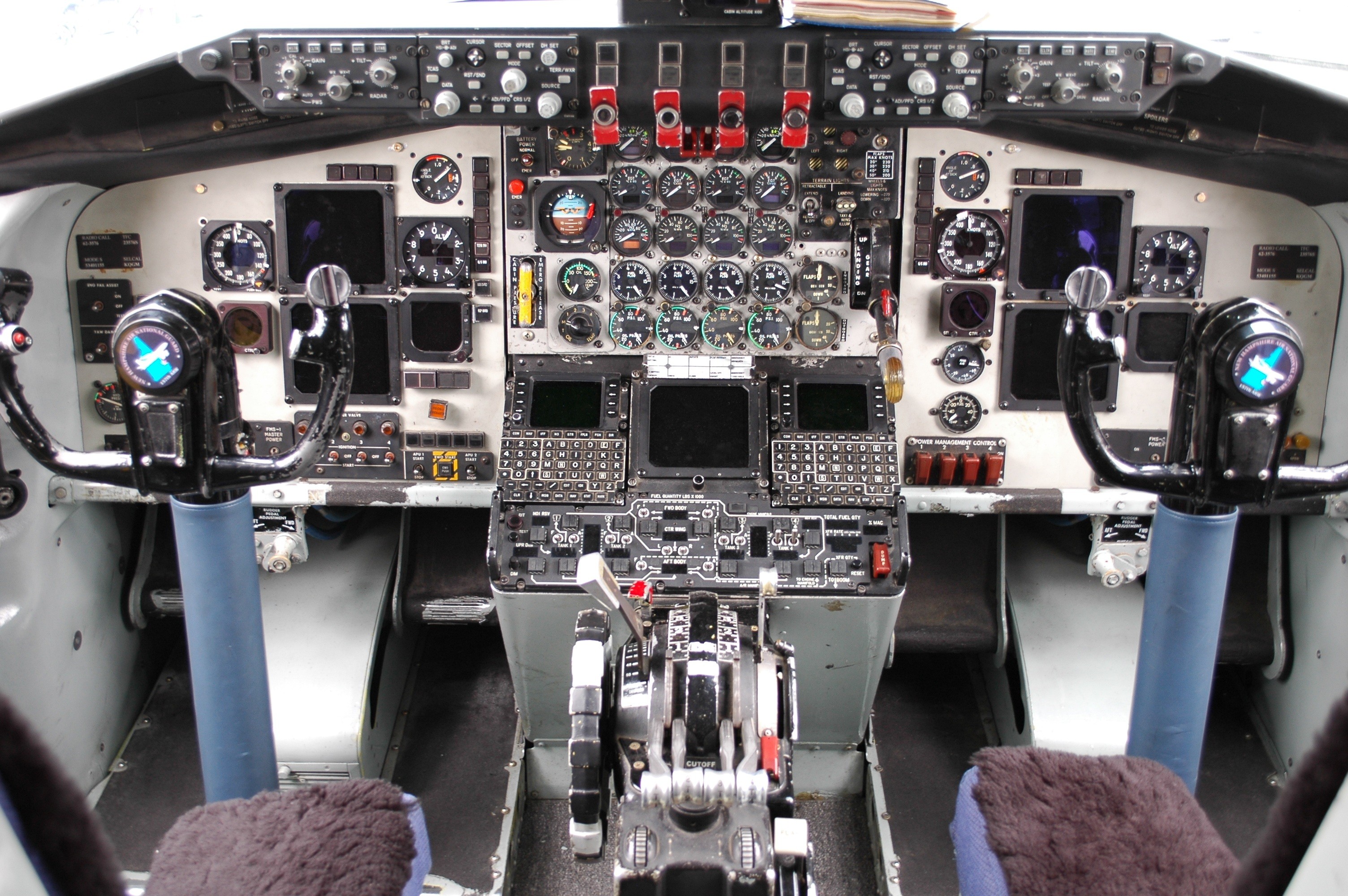
Reflecting on the design of Human Machine Input systems from other industries, I find that aviation is a field I consistently look into. Having multiple years of experience designing flight simulation systems, I have experience studying and designing avionics for aircraft ranging from the smallest, most basic training systems, to military, all the way to massive multi-engine commercial aircraft. Even with the added complexities of the aircraft themselves and the added axis of motion and environmental factors that can affect the magic of flying, the one thing that has stayed consistent over the decades are physical inputs, things like buttons, levers and switches.
Practically every system in aviation has actual physical inputs built in, most of them as the main control. There is a universal understanding for what these inputs do for a majority of them, irrespective of country or company of origin. For example, the handle that deploys the landing gear in an aircraft is a physical lever, with a round grip, replicating the shape of the wheel. The buttons for the equipment will always have physical travel, combined with a mechanical clicking feedback, to provide a positive interaction for the pilot and to confirm that the input is successful. There is a purpose to their design and placement.
The Case Against Touchscreens
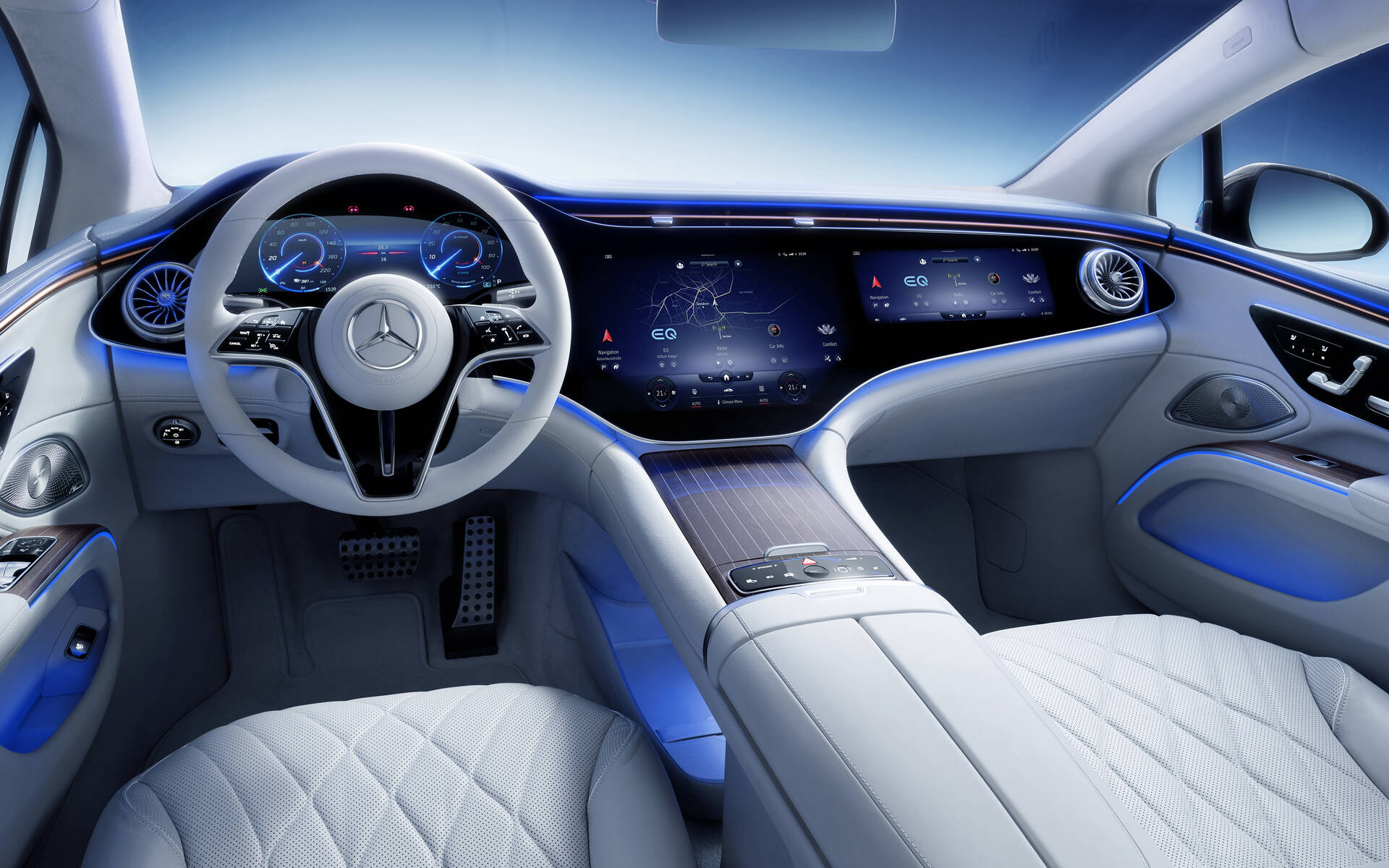
Keeping that in mind and bringing ourselves back onto the ground, driving is a situation that places a high cognitive load on the driver, as I mentioned before. You have to concentrate on the road, on the other vehicles around you, read the feedback from your vehicle, maintain speed limits and contend with multiple environmental factors. Being in a situation like this, tertiary systems in the vehicle need to be designed in a way that reduce the requirement of concentration from the driver, rather than increase it. I think we can all relate to the experience of driving and then needing to switch the settings of the air-conditioning or the volume of the audio system and then having to find the right controls on the screen and scrolling through the menus.
These same controls, in “lower” specification cars tend to still be mechanical, which are objectively more intuitive and safe to use, allowing the driver to locate and identify them based on touch alone.
These situations aren’t just anecdotal or personal. These are factors that have been recognised by multiple experience designers and industrial designers over the years, alongside driver reviews speaking about their attention being split between the multiple interfaces inside their vehicles. Studies have also concluded that the chances of distracted driving and accidents are higher than the dangers of texting while driving.
The Way Forward
The way I see it, the path forward should be a look at the past.
There are already automakers taking steps towards transitioning back to buttons in their console designs. With legislation in the EU, from NCAP requiring automakers to have a minimum number of buttons as inputs in their cars to receive a high safety rating.
In high-cognitive load situations, buttons have proven themselves to be the controls of choice, from older cars to airplanes to motorcycles. With a track record as well recognised as buttons and levers have, across many, many industries, I think that car makers should go back to using them as the primary method of interaction with the vehicle.
date published
Mar 17, 2026
reading time
4 min
.see also